Has a game ever kept you up at night? Not that you stayed up late playing it (though that happened here, too), but that thinking about the repercussions of its plot spirals you out in despair, keeping you from falling asleep. The Incident at Galley House did that for me. On its Steam tags, “Horror” barely cracks the top ten most popular, but this is one of the scariest games I’ve ever played. There are zero jump scares, no monsters, no bad guy; just incredibly effective storytelling.
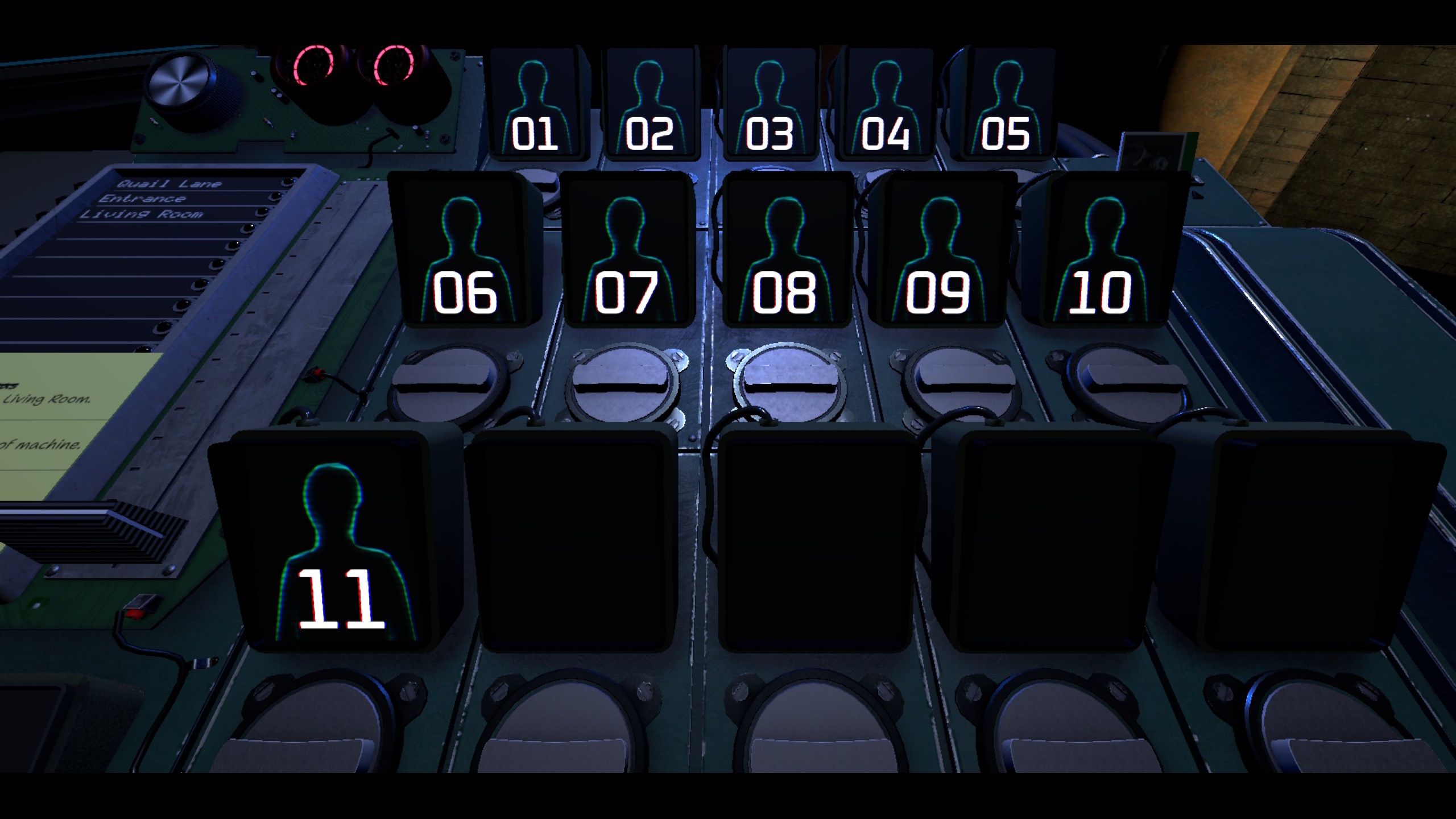
That’s not to say there isn’t death, Galley House features plenty of that, but almost all the dead bodies are revealed in the opening newspaper article: “an abandoned country house was found to contain the bodies of multiple deceased men and women.” That’s your cue to investigate their deaths: your protagonist logs into a mysterious machine with various dials and levers, forcing you to figure out the very basics of your investigative tools before you can even learn the first motive. It’s a surprisingly layered game that slowly unpeels as you play, revealing lore and game systems in increasingly clever ways.
The Incident at Galley House is available on Steam. I received a Steam key from Evil Trout Inc. for this review.
But we should rewind a bit. The Incident at Galley House is a remake of a 2025 text adventure Type Help from developer William Rous. Nominated for a 2026 IGF Award for Excellence in Narrative, you can go play the game right now for free. After the success of Evil Trout Inc.’s The Roottrees are Dead, which made my top ten games of 2025, they approached Rous to develop a graphical remake of Type Help, and in about a year’s time, Galley House was born. Now featuring full voice acting, controller support, and a hint system alongside the new character portraits and backgrounds, the game feels ready to break out in a huge way for fans of The Return of the Obra Dinn, The Forgotten City, or Roottrees.
The basic gameplay is you’re given a numbered list of victims and asked to piece together the events at Galley House by determining who was in what location at a specific time. If you're able to input a valid combination, you’ll be treated to a lengthy scene of dialog between the participants, revealing clues and often leading to one or more scenes you can reveal. Some of the writing is a bit heavy handed: “I was just in that room with that person!” but there are plenty of far more subtle hints that require some brain racking. Thankfully, the game provides a number tied to each scene explicitly revealing how many more scenes you can unlock from the remaining clues. There’s also a tiered hint system I accessed a few times to get a push in the right direction.
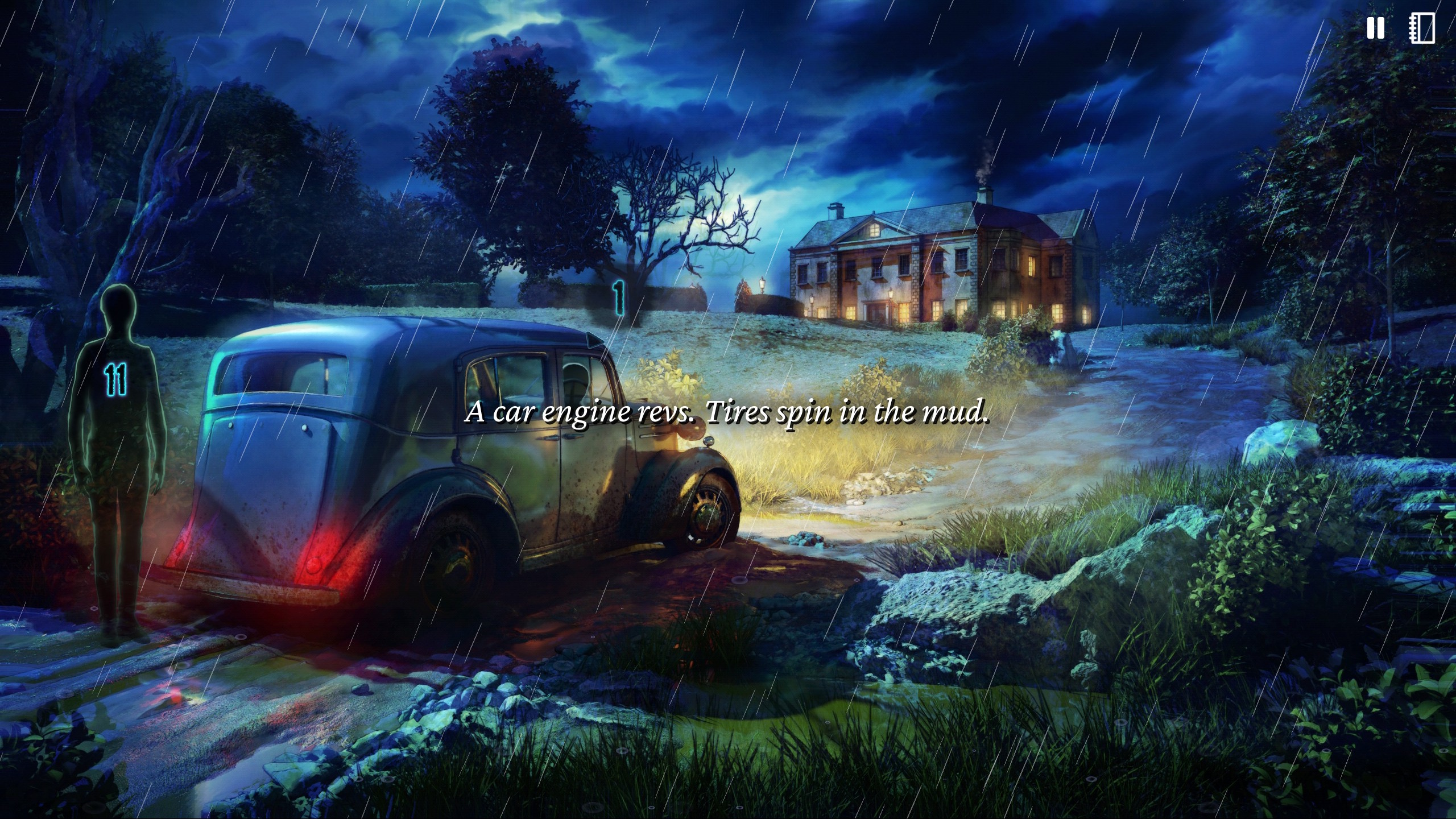
The scenes themselves are well scripted and acted, feeling natural with some characters cutting others off and often revealing traits through the way they talk or interact with others. The background art is detailed with a shimmering, ghost-like quality to some of the objects, giving it a truly other worldly appearance. The onscreen characters have no animations, and in fact all start out as blank silhouettes until you can determine (or guess) their identity. There’s no actual gameplay during the scenes, other than pausing it to write down a character’s actual name in the game or tie their number to a portrait. Since you start the game with almost zero information on the people involved in the titular incident, it’s a marvel how well the writing is able to constantly feed you tidbits of motivations and backstory while teasing at the bigger mysteries at hand.
And does this game have a stunning central mystery! I will absolutely not reveal or even hint at it, but I found myself embroiled in confusion throughout the entire first half of the game, obviously taking steps toward victory by unlocking scenes and locking character identities down, while at the same time having no freaking clue at why so many characters were acting so incredibly strange. And boy, has this mystery stuck with me since I played it, genuinely horrifying. And once you do feel like you have a handle on what’s going on, the game pulls out the rug from under you.
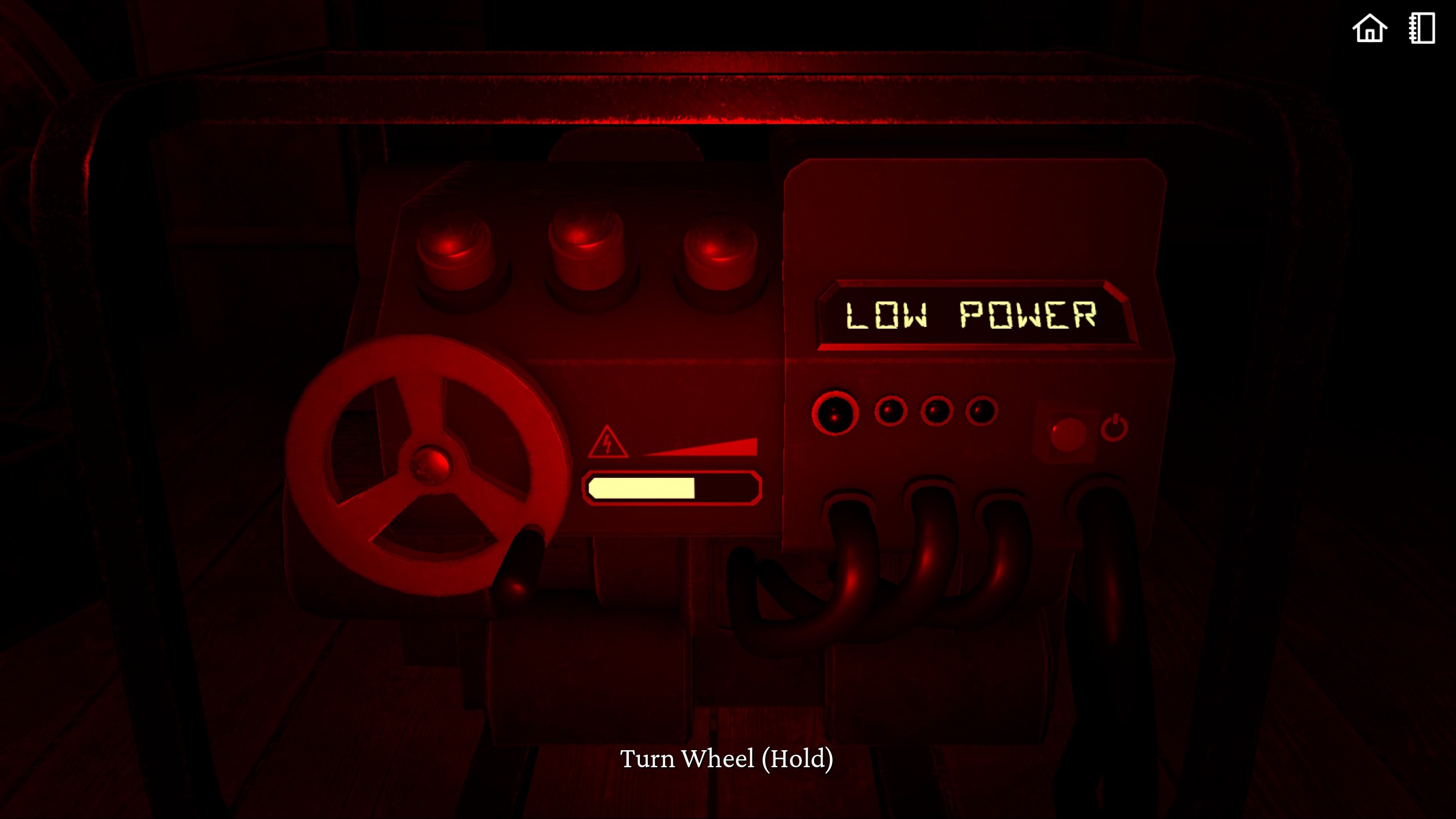
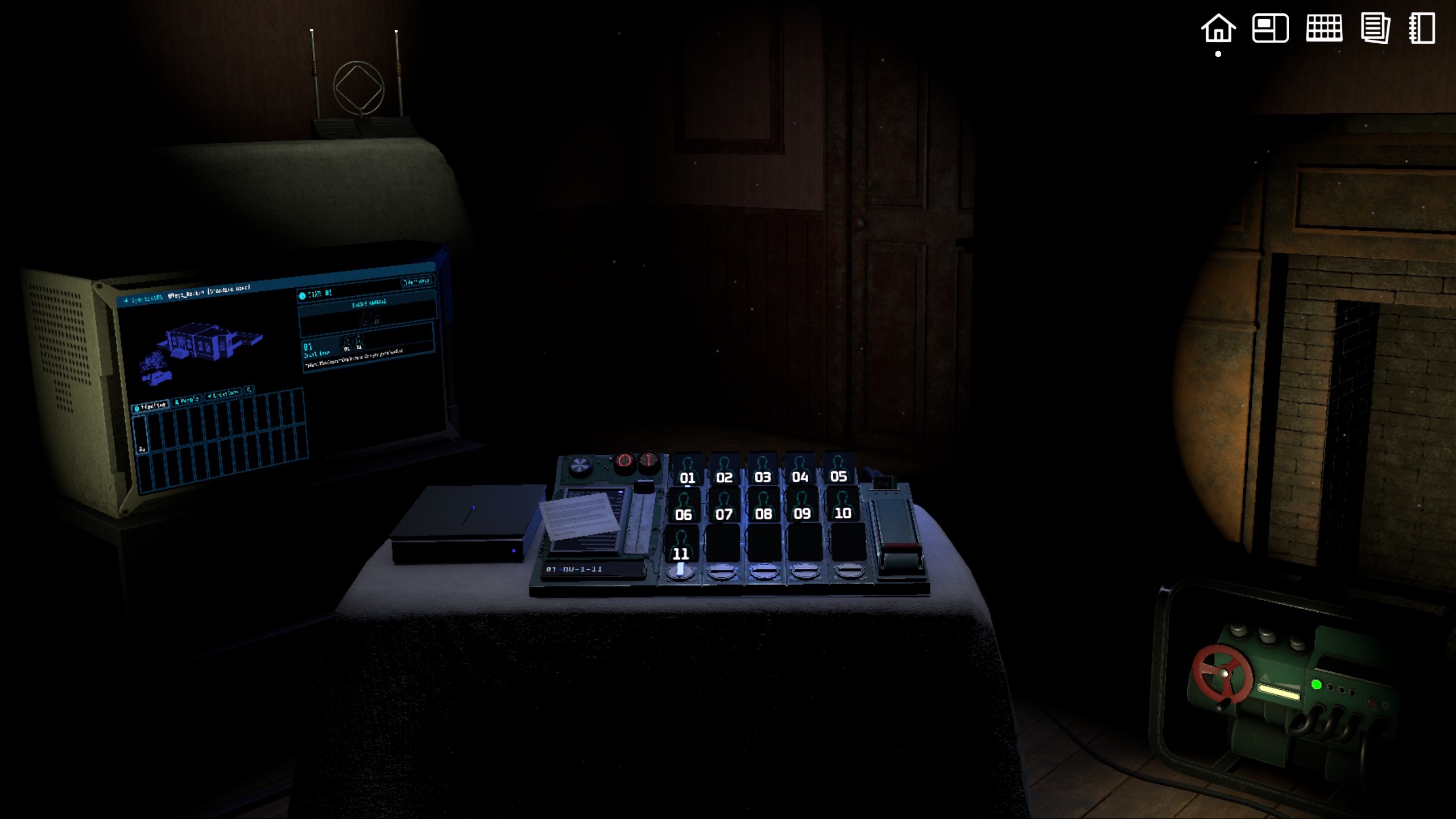
Galley House’s interface is a similar to Roottrees or Her Story, with basic in-game computer interaction in addition to the dials and levers on the scene-delving machine itself. It has great controller support, and played perfectly on both my Steam Deck and Ayn Thor. Guessing a scene combination wrong will happen often simply due to the nature of the game, leading to a few second long animation until you can try again. This sometimes leads to a bit of frustration as you’re not quite sure of the correct combination and know it will require a few guesses, but are forced to sit through the machine powering up and down over and over again. One time I tried a single character at all my available locations only to find out he was in a location I hadn’t discovered yet; mostly my fault for even attempting it. I guessed far more in Obra Dinn though.
The Incident at Galley House is a fantastic game, watching the scenes play out with full voice and sound effects makes the game feel like an interactive radio drama. I gave Type Help a try and Galley House captures the core spirit of that game without sacrifice while giving it another dimension. Interestingly enough, discovering the scenes in Galley House feels distinctly different than finding the files in Type Help. There’s something to the mechanical nature of operating the machine and its role in Galley House that makes it feel like you’re discovering something no one has ever seen before - like you’re spying on the people in the house. Spy long enough and you will unlock its true horror, this is an incident I will never forget.